
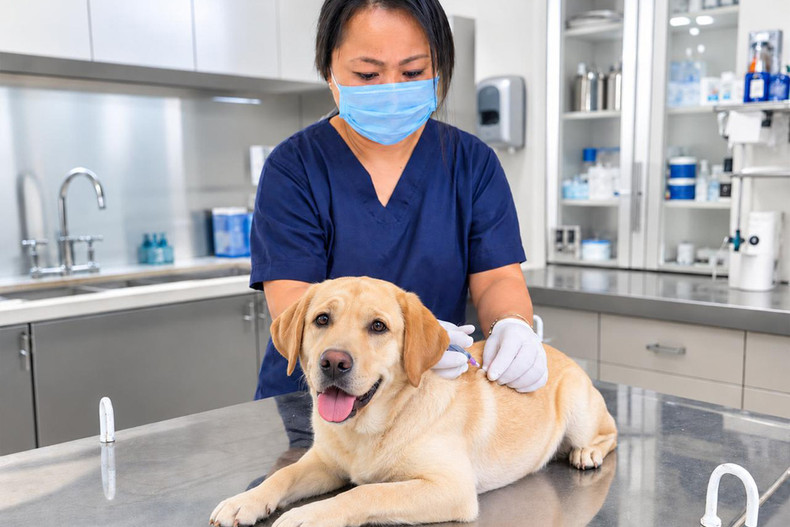
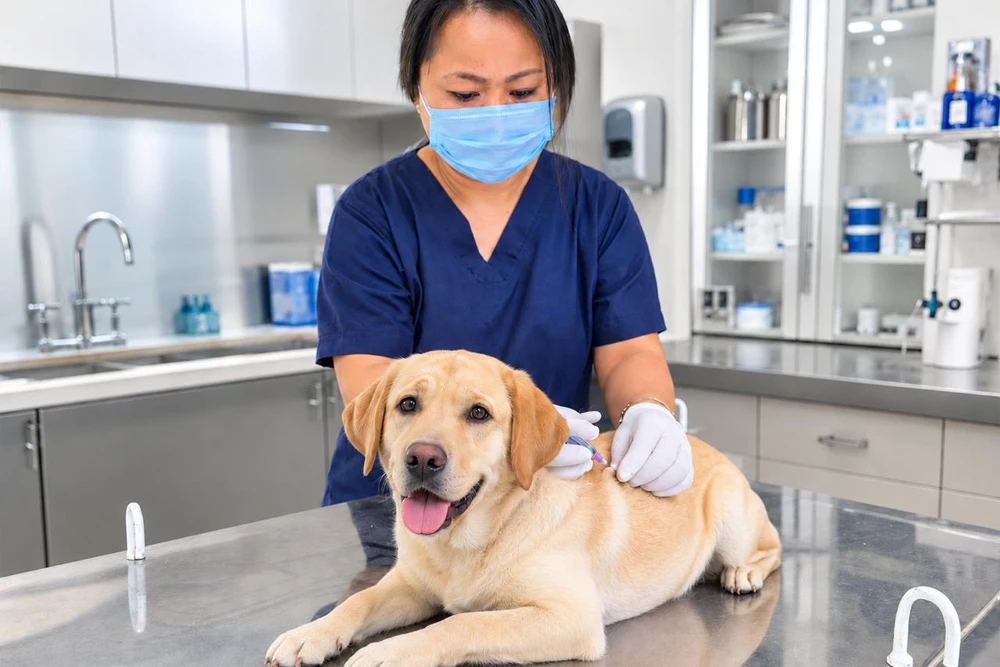
As a veterinarian trained in the science of animal health, I’m often asked:
"How can I tell if my dog or cat is unwell?"
While our pets can't communicate verbally, they have their own ways of letting us know when something’s not right—if we pay close attention.
In this blog, I’ll cover some of the most common health concerns affecting dogs and cats, how to recognize early warning signs, and practical steps you can take at home to support your pet’s overall wellbeing.
For Dogs: What to Watch For
1. Itchy Skin or Excessive Scratching
Persistent scratching, chewing, or licking could be signs of allergies, flea infestations, or skin infections.
What to do at home: Regularly check for fleas using a flea comb. Use vet-approved shampoos and treatments, and consult your veterinarian if the issue persists or worsens.
2. Bad Breath
Unpleasant odor from your dog’s mouth isn’t always harmless—it may indicate dental disease, which can lead to more serious health issues if untreated.
What to do at home: Incorporate dental chews, dog-safe toothbrushes, or water additives into your pet's routine to support oral hygiene.
3. Limping or Difficulty Moving
Limping, stiffness, or reluctance to play may point to joint pain, arthritis, or injury.
What to do at home: Provide orthopedic bedding and consider adding vet-approved joint supplements. Always seek a professional diagnosis if mobility issues appear.
For Cats: Subtle Symptoms You Shouldn't Ignore
1. Avoiding the Litter Box
If your cat suddenly stops using the litter box, it could be due to a urinary tract infection, kidney issues, or stress.
What to do at home: Ensure the litter box is clean, easily accessible, and placed in a quiet area. A sudden change in litter habits should prompt a vet visit.
2. Weight Loss or Decreased Appetite
Unlike dogs, cats often hide signs of illness. Unexplained weight loss may signal conditions like hyperthyroidism, diabetes, or kidney disease.
What to do at home: Monitor your cat’s food intake and weight regularly. Offer a balanced, high-quality diet appropriate for their age and health status.
3. Increased Hiding or Aggression
Behavioral changes can be an early indication of pain, illness, or stress.
What to do at home: Create a safe, enriched environment. Avoid punishment; instead, observe behavior closely and consult a vet or behaviorist if needed.
General At-Home Health Tips for Dogs and Cats
- Groom regularly: Brushing and handling your pet can help detect skin issues, lumps, or parasites early.
- Ensure proper hydration: Always provide clean, fresh water in accessible locations.
- Engage them mentally and physically: Daily play, interactive toys, and routine walks help prevent boredom and behavioral problems.
- Stay current with vaccines and deworming: Follow your vet’s recommendations to protect against preventable diseases.
- Make your home pet-safe: Keep toxic plants, household cleaners, and electrical wires out of reach.
A Final Word from Dr. Cassandra Momin
Our pets depend on us to recognize the unspoken signs of illness and discomfort. Trust your instincts—if something feels off, it often is. Prompt attention and regular veterinary care can make all the difference in your pet's health journey.
Here’s to a long, healthy, and joyful life with your beloved companion.
— Dr. Cassandra Momin (B.V.Sc. & AH)